


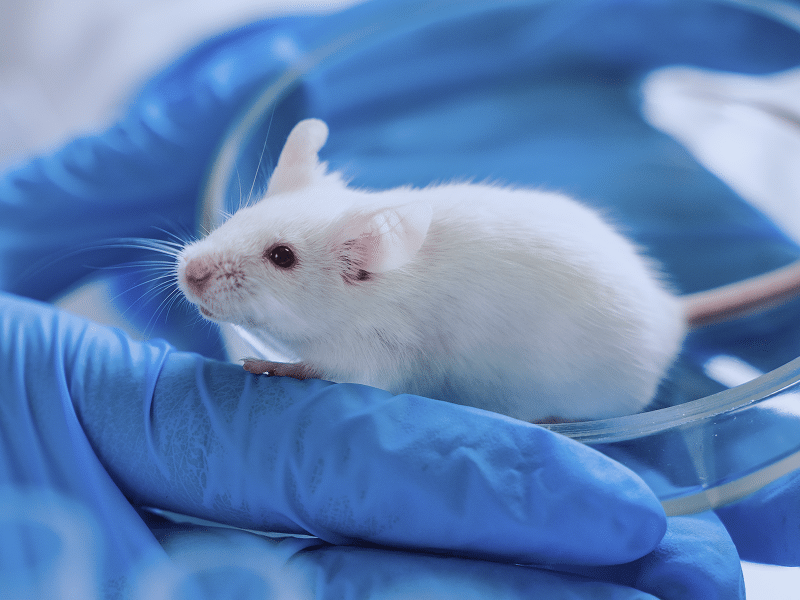
On March 24, 2026, the Medicines & Healthcare products Regulatory Agency (MHRA) introduced new regulatory principles for human medicines marketing applications that rely on non-animal evidence. This update supports the UK Government’s broader strategy to reduce and replace animal testing and applies to all medicines seeking Marketing Authorisation (MA) in the United Kingdom.
Details of the Update
The MHRA has established five regulatory principles defining when animal testing is required, optional, or may be omitted. Generic, biosimilar, and pharmacologically inactive products should not undergo animal testing, while toxicity testing for biologics must be limited to pharmacologically relevant species. The agency also allows products with well-understood pharmacological profiles to enter UK clinical trials without prior animal studies. However, products with novel pharmacological mechanisms must still comply with international animal testing requirements. Additionally, vaccines for emerging pandemic infectious diseases, where efficacy cannot be assessed in clinical trials, must continue to rely on animal testing.
To support the adoption of New Approach Methodologies (NAMs), including human-derived models and AI-driven analysis, the MHRA will introduce an advance review scheme for Module 4 by the end of 2026. This allows companies developing products without animal testing to submit Module 4, the Investigator Brochure, and at least one clinical trial report for early assessment. The agency will provide a non-binding written opinion on data adequacy, which can be included in the final MA application.
The MHRA will conduct a subsequent review in consultation with the Commission on Human Medicines, ultimately deciding whether to endorse or reject the application, with reasons provided for any rejection. A cost-recovery fee will apply to advance submissions to discourage unsuitable applications, although the exact fee has not been specified.
It is important to note that this advance review process applies only to Marketing Authorisation applications and does not impact Clinical Trial Authorisation procedures.
This initiative aligns with the UK Government’s November 2025 strategy, “Replacing animals in science: A strategy to support the development, validation and uptake of alternative methods.” It reinforces the regulatory shift toward non-animal testing frameworks in drug development.
Timelines
The advance Module 4 review scheme is expected to become operational by the end of 2026.
Why It Matters
This update provides clear regulatory guidance on the use of non-animal evidence, enabling greater regulatory certainty for pharmaceutical and biotechnology companies. By formalizing conditions under which animal testing can be reduced or avoided, the MHRA supports digital and scientific innovation, including AI-driven methodologies. The introduction of an advance review mechanism may improve development efficiency and reduce evidentiary risks, while maintaining regulatory rigor and minimizing unnecessary burden.
Who This Affects
This update is relevant for regulatory affairs, research and development, quality assurance, and finance teams within pharmaceutical and biotechnology organizations. Stakeholders must assess how the new principles apply to their product pipelines, particularly for biologics, generics, biosimilars, and novel therapies, and ensure readiness for compliance with MHRA expectations.
Next Steps
Organizations should review the full MHRA guidance to determine how the five regulatory principles apply to their products and evaluate the strategic value of the advance Module 4 submission scheme ahead of its implementation. Teams should also assess the adequacy of non-animal data packages, align nonclinical study designs with the updated framework, and account for potential cost-recovery fees in development planning.
As regulatory expectations evolve toward non-animal methodologies and AI-supported evidence, staying ahead of global changes becomes critical. RegASK is a leading agentic AI regulatory intelligence and workflow orchestration platform that empowers global organizations in highly regulated sectors, including consumer products and life sciences, to proactively navigate complex regulatory landscapes. By combining advanced Agentic AI with experts in the loop, RegASK delivers timely predictive actionable insights and end-to-end automation, streamlining compliance processes, mitigating risks, and accelerating market access across more than 160 countries. Learn more or book a demo now.
FAQs
What are New Approach Methodologies (NAMs) in drug development?
NAMs are non-animal scientific methods, including human-derived cell models and AI-driven analysis, used to generate evidence for drug development.
What is Module 4 in a Marketing Authorisation application?
Module 4 contains nonclinical study reports, including pharmacology and toxicology data, used to support the safety of a medicinal product.
When will the MHRA advance Module 4 review scheme take effect?
The scheme is expected to be operational by the end of 2026.
RegASK helps organizations monitor evolving regulatory requirements, assess data readiness for non-animal submissions, and streamline end-to-end compliance workflows, enabling more efficient adoption of NAMs in line with MHRA expectations.
RegASK helps organizations track regulatory changes, assess impact, and coordinate cross-functional updates, enabling efficient compliance with evolving requirements such as packaging updates, PIL revisions, and digital leaflet implementation.
Subscribe to the latest regulatory news

Curated newsletters
Relevant industry info
Access expert insights